
Alanya prices are among the reasons people come back, but "cheap" is doing a lot of work in that sentence. This is a town with three parallel economies operating within a kilometre of each other, and which one you buy in matters more than anything else you can control.
Alanya prices come in three tiers
The hotel strip. Everything inside a resort or immediately outside its gate. Convenient, in euros or with card, and priced for people who are not going to walk further. Expect western European prices for cocktails and imported drinks.
The town centre. Two or three streets back from the seafront, the same meal costs meaningfully less and is usually better. This is where the trade-off between convenience and money actually sits.
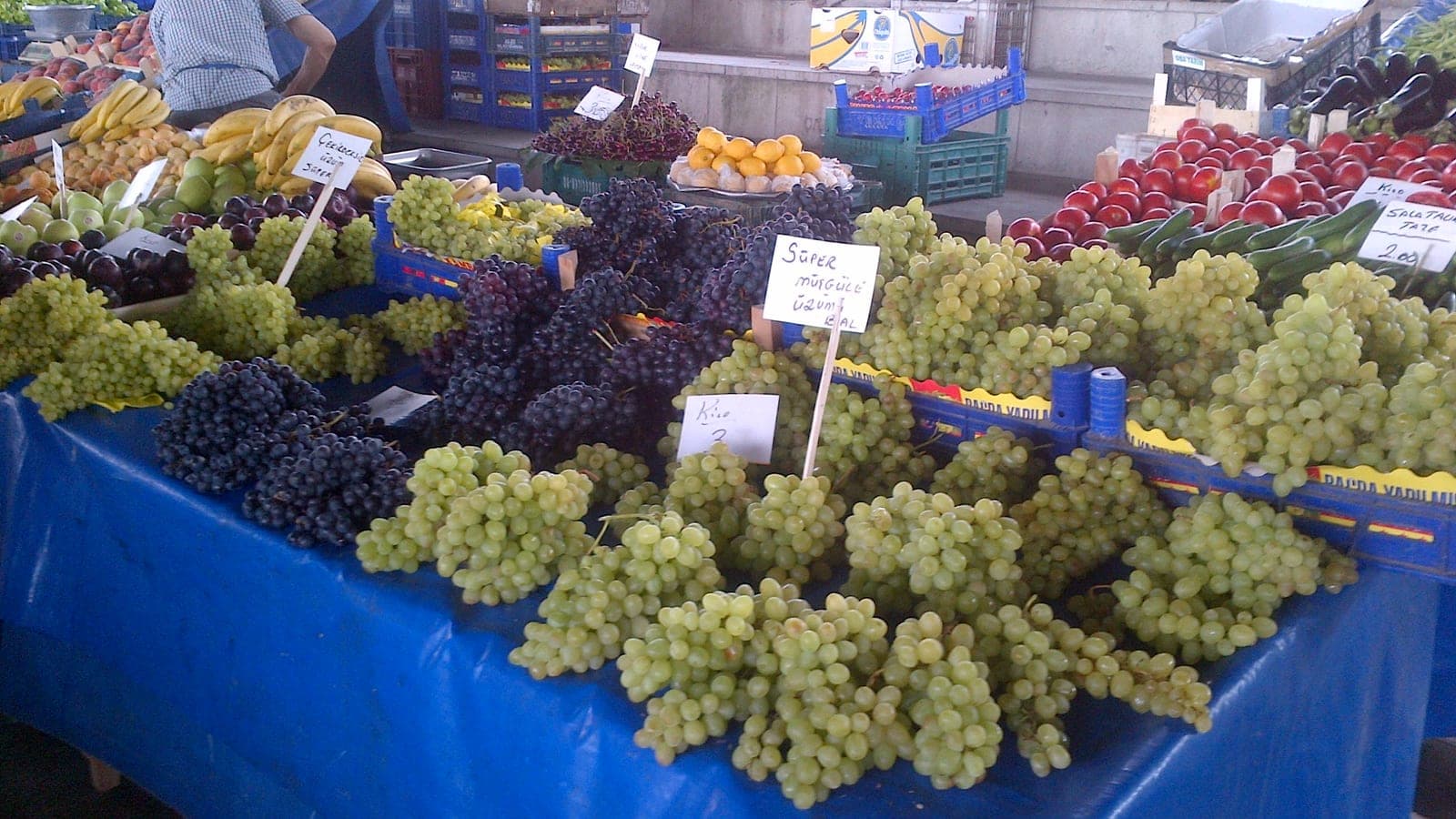
Local. The weekly market, the bakery, the *lokanta* with steam trays and no English menu, the barber. This is the Turkey that everyone reports as astonishingly cheap, and it is a five-minute walk from the second tier.
Nothing stops you moving between the three, and the visitors who do get a holiday that costs roughly half of what their neighbours pay.
Where the money actually goes
For most people the budget breaks down like this, in rough order of size:
- 1Excursions. The single biggest variable cost. A boat day, a jeep safari and a long-distance trip like Pamukkale will outweigh a week of lunches.
- 2Dinners out. Fish by weight at the harbour is the most expensive routine choice you can make; see the fish restaurant guide.
- 3Drinks. Imported spirits carry heavy tax. Local beer, raki and Turkish wine are a fraction of the price.
- 4Transfers. The airport transfer is a fixed cost you can plan; taxis at 03:00 are not.
- 5Everything else. Beach beds, cable car, museum tickets, and the market. These barely move the total.
Cash, cards and currency
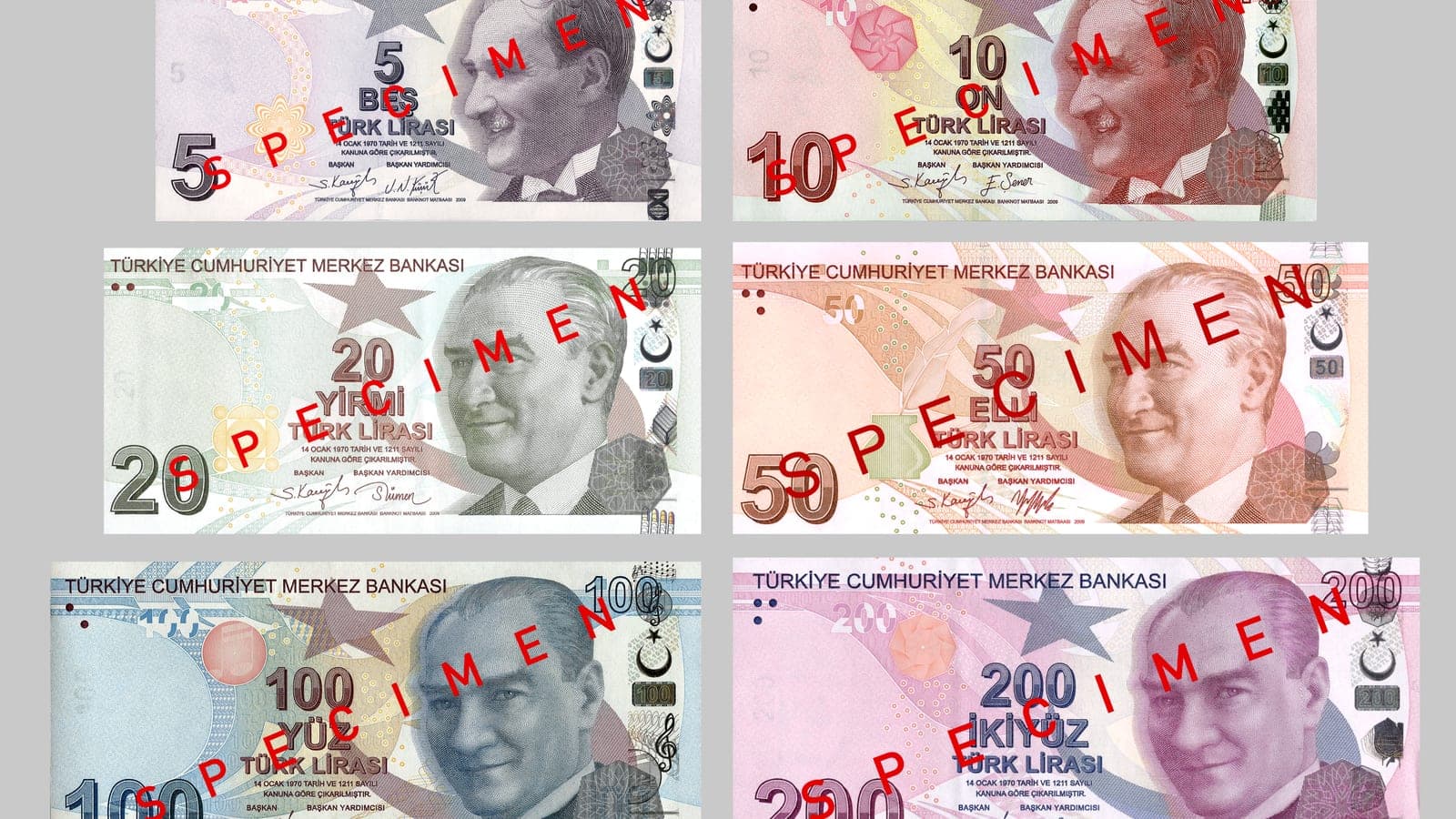
Cards work in restaurants, shops and supermarkets almost everywhere. Cash matters in three places: the weekly market, the dolmuş minibuses, and small family restaurants.
Pay in lira. Places that quote in euros are usually applying their own exchange rate, and it is never in your favour. If a card machine offers to charge you in your home currency, decline it and pay in lira; that conversion is the machine's margin, not a service.
Withdraw from bank ATMs rather than the standalone machines in tourist areas, and take out larger amounts less often, because the fee is usually fixed rather than proportional.
The traps that cost real money
- Menus without prices, especially for fish and for spirits by the bottle. Ask first, every time.
- Card machines with a pre-set tip, which quietly adds a percentage.
- Taxis without the meter running. Ask for the *taksimetre* or agree the fare before you get in.
- Excursions bought at the hotel desk with no operator name on the ticket. Compare at least two.
- Sunbed rental on a beach where a café would have given you the same seat for the price of a drink.
A realistic daily figure
Set against western European prices, Alanya prices for two people, staying in the centre, eating one meal out per day, a couple of drinks, local transport and no excursion: this is a modest daily total by western European standards, and roughly a third of the same day in Spain or Italy.
Add one excursion and you double the day. Which is precisely why the sensible plan is to pick two or three excursions you actually want, book them well, and spend the rest of the week living at tier two and three prices.

Comments
Write a comment
No comments yet. Be the first to write one.